
What to Expect From This Book
What if the endings of the New Testament are not endings at all?
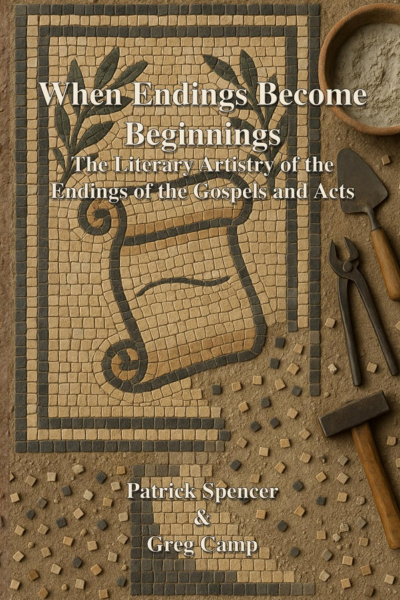
In When Endings Become Beginnings, Patrick Spencer and Greg Camp reexamine the closing scenes of Matthew, Mark, Luke, John, and Acts, arguing that these texts function less as narrative conclusions and more as theological thresholds. The resurrection appearances, the Great Commission, the ascension, the open-ended departure of Paul—each finale gestures beyond itself.
Rather than resolving the story, the Evangelists craft endings that propel readers forward, inviting them into the ongoing life of the gospel. Through careful literary, historical, and theological analysis, Spencer and Camp demonstrate how these canonical conclusions are deliberately unfinished, designed to generate ecclesial memory, mission, and interpretation across time.
Drawing on narrative criticism, reception history, and theological hermeneutics, this study explores the “afterlife” of these biblical books—how their endings shaped early Christian identity and continue to animate contemporary faith communities.
The book contends that the New Testament closes not with closure, but with commission: not with sealed narratives, but with open horizons. By attending closely to the rhetorical and theological artistry of these final chapters, When Endings Become Beginnings offers a compelling vision of Scripture as a living text that calls each generation into participation in the story it tells.
For scholars, students, clergy, and thoughtful readers of the New Testament, this volume reframes familiar passages and invites a renewed appreciation of how the gospel narratives end in order to begin again.
DTL Monographs
This title belongs to our series titled “DTL Monographs.” Unlike the other series published by the DTL Press, the DTL Monographs Series operates very much like a traditional press. All works published within this series are traditionally authored (or edited) by a human working on a word processor.
We welcome any scholarly writing in the field of religious studies (from monographs and revised dissertations to Feschriften and reference works).